Car Knowledge
How a car works: engine, transmission, hybrid and electric basics
Understand the main systems without needing to become a mechanic.
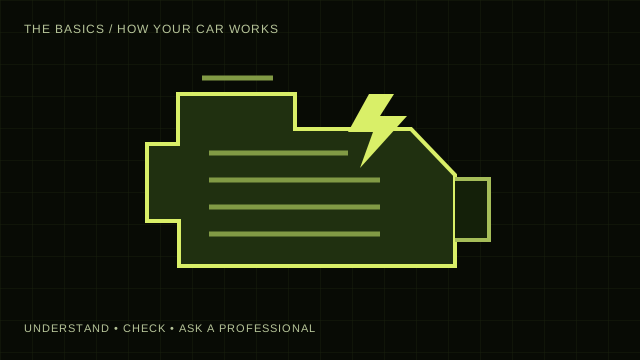
You do not need to repair a car to drive it well, but understanding its main systems helps you use it sensibly and recognise when something needs attention. Think of the vehicle as several systems working together: power, transmission, steering, braking, suspension, tyres and electrical equipment.
From energy to movement
A petrol or diesel engine converts fuel into mechanical power. The transmission changes how that power reaches the wheels so the car can start, climb, cruise and reverse. A manual car uses a driver-operated clutch and gear selector. An automatic manages many gear changes itself, though its design and driving modes vary.
Petrol and diesel engines use different combustion systems and fuel. Never assume the fuel type from the vehicle's appearance. Check the fuel flap, handbook and vehicle records. If the wrong fuel may have been added, do not start the engine; ask for professional advice before proceeding.
Steering, brakes and suspension
The steering system changes the direction of the front wheels in most cars. Assistance can make the wheel easier to turn, but a fault may change the effort required. Brakes convert the vehicle's movement into heat to slow it. The parking brake helps secure it when stationary. Suspension components help keep tyres in contact with the road while controlling body movement.
Tyres are the vehicle's contact with the road. Their condition and pressure affect grip, steering and braking. No advanced electronic system can fully compensate for unsuitable or damaged tyres. Unusual vibration, pulling, grinding or a change in pedal response deserves prompt attention.
Hybrids and electric vehicles
A hybrid combines an engine with an electric drive system. Some hybrids can be plugged in; others cannot. An electric vehicle uses a traction battery and electric motor. Both may move quietly and can use regenerative braking to recover energy when slowing. The response depends on the model and selected mode, so practise under supervision.
High-voltage components are not suitable for beginner maintenance. Do not touch damaged orange cables, open battery housings or attempt electrical repairs. Charging equipment must be used as its manufacturer specifies.
Learn the car you actually use
Manufacturer manual libraries are useful starting points, but select the correct model and year. Learn the starting procedure, warning displays, normal braking response and safe parking sequence before your first lesson. General knowledge helps you ask better questions; the actual handbook and instructor explain the details that matter for that vehicle.
Sources and review date
Reviewed 12 November 2026. Official requirements can change; check the linked authority before applying or travelling.