Car Knowledge
Dashboard warning lights: recognise, respond and get help
Understand why a warning needs its specific handbook instruction.
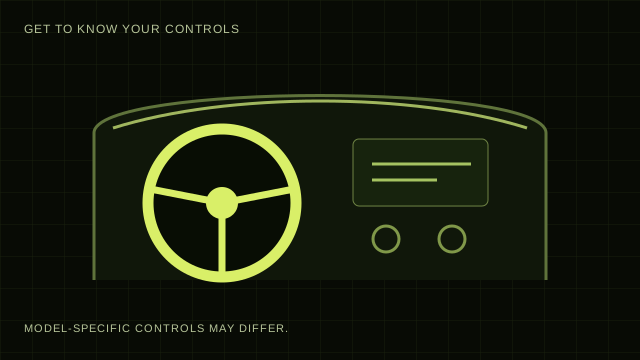
Dashboard lights communicate information about the vehicle. Some show that a feature is operating; others warn of a fault or a condition needing attention. Symbols, colours and messages vary, so learn the dashboard in the actual training car. A generic poster cannot replace the correct owner's manual.
Learn the normal startup check
Many warning lamps illuminate briefly when the ignition is switched on and then go out according to the manufacturer's procedure. Ask your instructor to show you what is normal. A lamp that stays on, flashes unexpectedly or appears while driving may need a different response from a routine startup display.
Red commonly indicates an urgent warning, while amber often indicates a system requiring attention, but colour alone is not enough. Read the accompanying message when safe and follow the handbook's instruction. Do not assume an amber light means you can always continue or that every red lamp describes the same problem.
Important examples
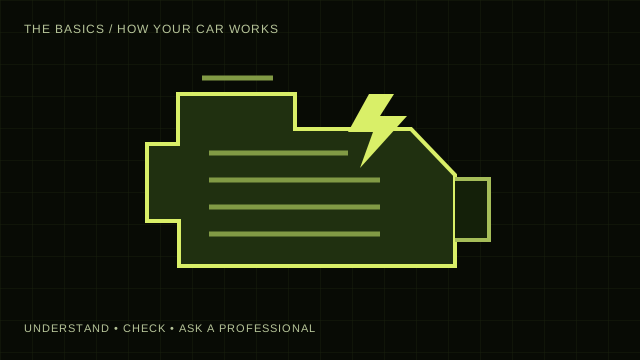
An oil-pressure warning concerns lubrication pressure; it is not simply a reminder to top up the oil. A high-temperature warning can indicate overheating. A brake warning may relate to the parking brake, low fluid or another fault. A battery-shaped warning often concerns the charging system, not just the age of the battery.
These examples explain why guessing can be harmful. If a warning is accompanied by smoke, unusual noise, poor braking, steering changes or loss of power, stop safely and seek assistance. Do not continue merely to reach a preferred workshop. Follow the vehicle-specific procedure and arrange recovery when needed.
Do not clear warnings without understanding them
A diagnostic code is a clue for a qualified technician, not a complete diagnosis by itself. Resetting a light or disconnecting the battery can hide information without fixing the cause. Record when the warning appeared, any message and how the car behaved. Take a photograph only after stopping safely.
Build a dashboard learning sheet
For your car, identify the indicators for seat belts, fuel or charge, temperature, oil pressure, brakes and tyre pressure where fitted. Write the handbook's required action beside each. Ask your instructor which warnings mean stopping safely rather than continuing the lesson. Keep the sheet accessible for study, but never read it while driving. Recognising a problem early and asking for help is a valuable driving skill.
Sources and review date
Reviewed 12 November 2026. Official requirements can change; check the linked authority before applying or travelling.