Mandatory signs
Follow the instruction or restriction. A STOP sign requires a complete stop at the stop line; move only when it is safe and lawful.
 Login
Recognise the instruction first. Then respond early, calmly and in a way that keeps other road users safe.
Follow the instruction or restriction. A STOP sign requires a complete stop at the stop line; move only when it is safe and lawful.
Look ahead for the particular hazard. Reduce speed early and choose a safe position; the sign does not remove the need to observe.
Use direction and facility signs to plan ahead. Do not make a sudden turn or stop when you notice a destination late.
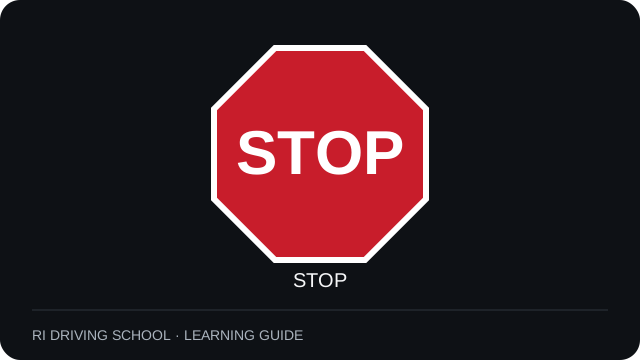
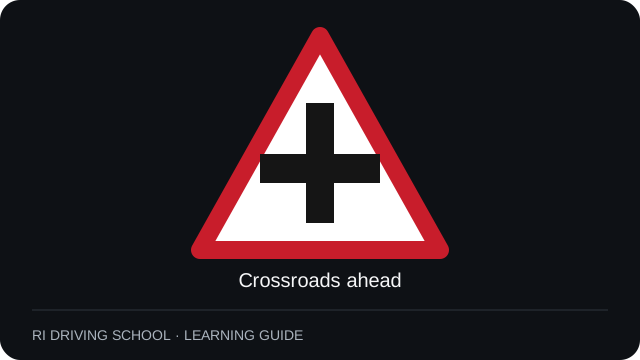
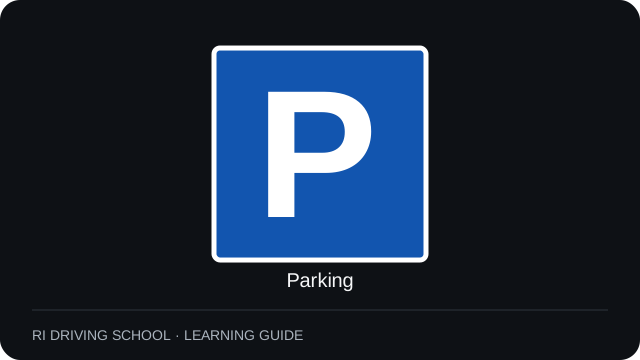
These RI Driving School illustrations introduce three examples; they are not a complete sign chart. Read any supplementary restrictions at the location. For a wider reference, see the Delhi Traffic Police road-sign and marking guide.
Stop at red. On amber, stop before the line unless you are so close that stopping cannot be done safely. Green permits movement only when the way is clear; continue to observe pedestrians, turning vehicles and directions from an authorised traffic officer.
A solid or broken line communicates different restrictions. Follow signs, lane arrows and local instructions together. Never cross a marking simply because another vehicle does.
Legal guidance reviewed 12 November 2026. Read the Motor Vehicles (Driving) Regulations, 2017 and use the official guidance links for current requirements.