Car Knowledge
Fuel-efficient driving through better planning
Smooth, sensible habits can reduce unnecessary energy use and wear.
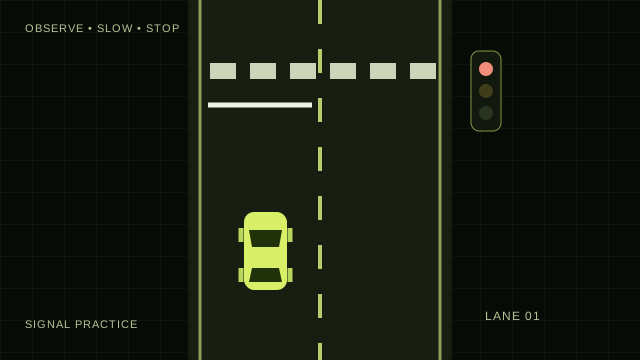
Efficient driving begins with safe planning. Looking ahead, leaving space and avoiding unnecessary acceleration can make a journey calmer while reducing wasted energy. The aim is not to save fuel at the expense of visibility, control or other road users. Vehicle type, traffic and weather affect consumption, so no single improvement percentage applies to everyone.
Anticipate instead of rushing
Look for traffic lights, queues and junctions early. If you can see that you will need to stop, avoid accelerating hard only to brake moments later. Maintain a useful gap so you can adjust gently when traffic changes speed. Do not follow a large vehicle closely to reduce air resistance; that sacrifices observation and stopping space.
Accelerate progressively when conditions allow and use a suitable gear in a manual car. Avoid labouring the engine in a gear that is too high. Automatics and hybrids may have efficiency displays or modes, but those do not replace judgement. Keep your attention on the road instead of trying to achieve a dashboard score.
Prepare the vehicle
Maintain tyres at the recommended pressure for the load and follow the service schedule. Remove unnecessary heavy items where practical, while retaining safety equipment. Use accessories as intended and secure luggage properly. Do not compromise cooling, demisting or visibility in an attempt to save fuel.
Plan routes that avoid unnecessary distance and difficult last-minute turns. Allow enough time so you are not tempted to hurry. Combining suitable errands can reduce repeated cold starts, but a safe, legal route matters more than the shortest line on a map.
Understand different powertrains
A hybrid or electric vehicle may recover some energy through regenerative braking. The amount depends on battery condition, temperature, settings and speed. Learn the model's response and remember that normal braking is still essential. Do not assume one-pedal behaviour is identical between vehicles or remains unchanged in every condition.
Never coast downhill in neutral or switch the vehicle off while moving. Follow the manufacturer's driving and idling guidance, particularly for stop-start systems. Safety systems and reliable control take priority over a fuel-saving experiment.
Measure habits, not promises
If you track fuel use, compare similar journeys over time and note changes in traffic, weather and load. Discuss smoother starts, better anticipation and appropriate gear choice with your instructor. These are useful skills regardless of the exact saving, and they make efficient driving part of a responsible routine.