Driving Lessons
Automatic cars: selecting a direction and controlling speed
Understand creep, gear selectors and careful low-speed control.
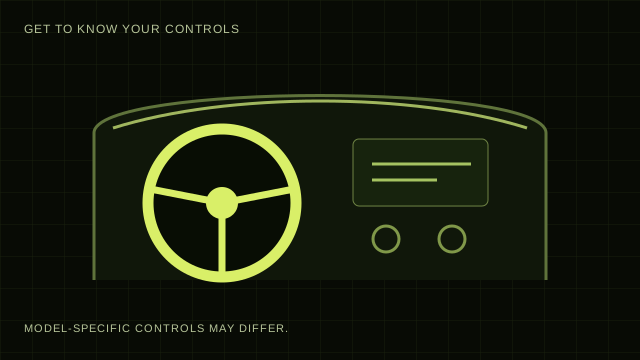
An automatic car changes its forward gears for you, but safe observation, steering and braking still require practice. Automatics also differ: a conventional automatic, CVT, dual-clutch car, hybrid and electric vehicle may respond differently at low speed. Learn the controls of the actual training vehicle before driving it.
Know the selector
Park usually secures the transmission when stationary; Reverse selects backwards movement; Neutral removes driving force; Drive selects normal forward travel. Some cars have additional modes. These labels do not explain every safety condition. Use the owner’s manual and instructor's demonstration, especially when operating electronic selectors or vehicles with start buttons.
Keep the brake applied when selecting a direction and make sure the selector position is correct. Come to a complete stop before switching between forward and reverse. Follow the manufacturer's parking sequence, including the parking brake, rather than relying on Park alone.
Learn low-speed response
Many automatics move gently when the brake is released, even without pressing the accelerator. This is often called creep. Other vehicles behave differently, and a setting can change the response. Practise releasing and applying the brake smoothly in a clear area under supervision. Normally your right foot operates the brake and accelerator; do not press both together.
Before moving, look around the car and check the direction selected. This is especially important when leaving a parking space. Keep the speed low enough to stop promptly. If something unexpected happens, concentrate on braking and following your instructor's directions rather than searching for a different gear.
Slopes and stronger braking
Do not assume creep or a hill-hold function will prevent rollback on every slope. Learn how the parking brake and assistance systems work in that model. On descents, use the driving mode and braking technique recommended by the manufacturer and instructor. Never select Park while the car is moving.
Build observation into the routine
An automatic can leave you with more attention for the road, but it does not remove blind spots or reduce the need for planning. Practise mirrors, signals, shoulder checks, lane position and safe stopping just as carefully as in a manual car. After each session, identify one improvement: smoother braking, better anticipation or more accurate parking. Confidence should grow from repeatable decisions, not simply from the absence of a clutch pedal.
Sources and review date
Reviewed 12 November 2026. Official requirements can change; check the linked authority before applying or travelling.