Road Safety
Sharing the road with emergency vehicles, buses and trucks
Leave space for large vehicles and respond calmly when emergency services approach.
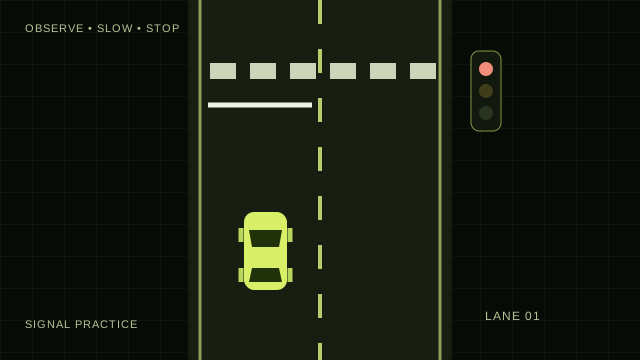
Different vehicles use road space differently. A bus needs room to leave a stop, a truck may swing wide while turning and an emergency vehicle may approach from a direction you did not expect. Good observation helps you recognise these situations early and respond without creating another hazard.
Make room for emergency services
When you hear a siren or see an emergency vehicle using its warning equipment, locate it before changing position. Check mirrors and the space beside you. Give way promptly by moving safely towards the left where practical, stopping if required, while following any police directions. Avoid abrupt braking or steering that could surprise nearby traffic.
Do not enter a junction against a red signal or mount a pavement simply to create space unless an authorised officer directs you. Choose a safe response within the actual layout. Keep junctions and crossing points clear where possible. Once the vehicle passes, recheck before moving and do not follow closely to take advantage of the cleared path.
Understand large-vehicle blind areas
A bus or truck driver may be unable to see a car, cyclist or motorcycle close beside the vehicle. Avoid lingering in these areas. Allow a substantial following gap so you can see the road ahead rather than only the rear of the large vehicle. Remember that mirrors help its driver but do not remove every blind area.
Watch the whole vehicle during a turn. The rear wheels may follow a tighter path than the front, and part of the body may swing out. Do not squeeze into the space beside a turning vehicle. If you are uncertain about its intended movement, wait where the driver has a better chance of seeing you.
Be careful near bus stops
People may step from behind or in front of a stopped bus. Slow before reaching the obscured area and be prepared to stop. A person crossing may be looking for their bus rather than towards your car. Avoid using the horn to pressure people into moving faster.
Practise calm decisions
During an instructor-led lesson, discuss where an approaching ambulance could pass and which positions would obstruct it. Identify places where a truck's size limits your view. These exercises train anticipation without needing an actual emergency. The useful question is not whether your car can fit through a gap, but whether everyone has enough space to move safely and understand what you intend to do.
Sources and review date
Reviewed 12 November 2026. Official requirements can change; check the linked authority before applying or travelling.